Memories deserve a hearing
Keep track of who told the story, including words such as ‘perhaps’ and ‘I heard’.
 PAST LIVES.
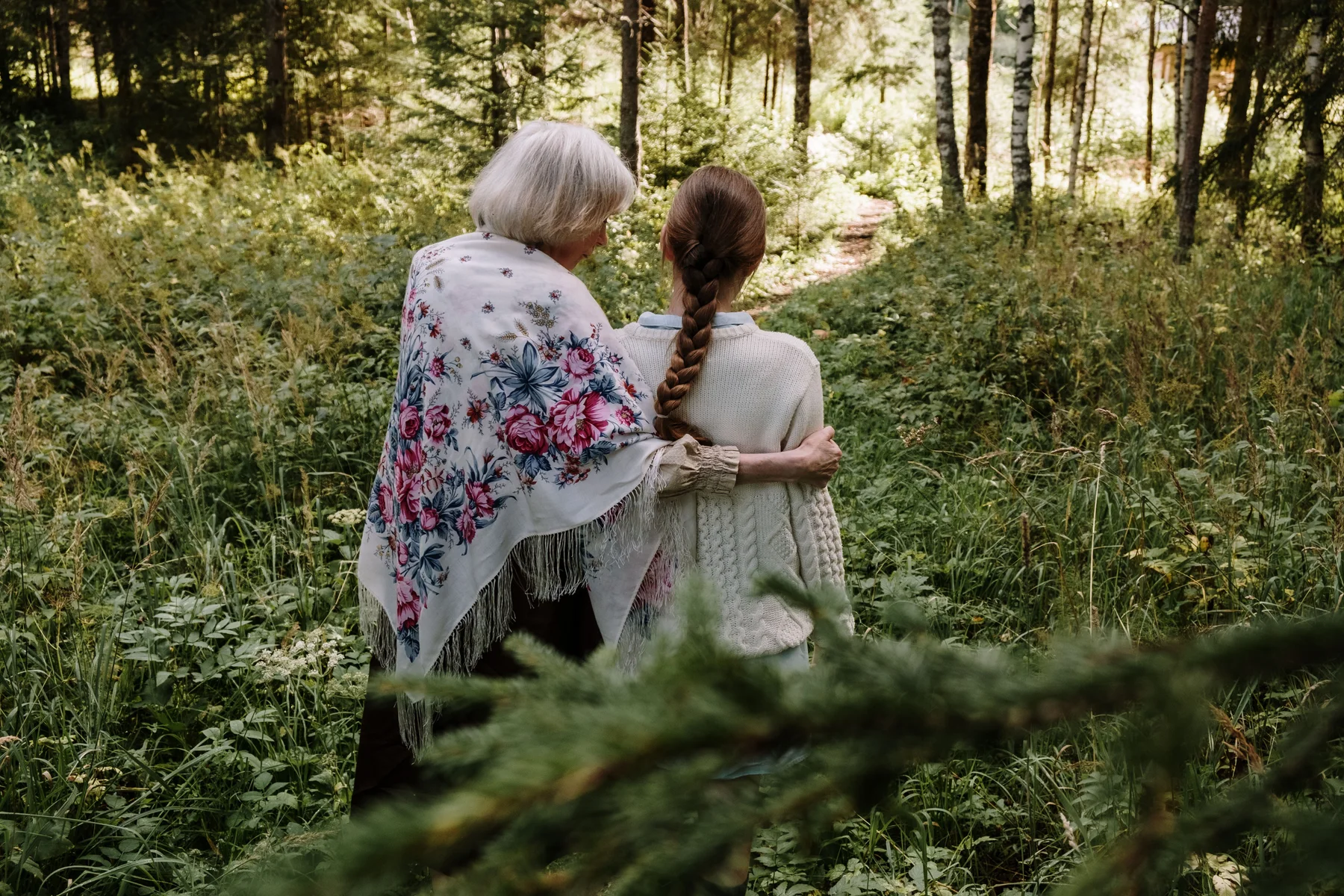
Before they were ancestors, they were people.
Start with your first clueWe call them Grandpa, Grandma, or Great-grandmother. Before those names, they were young people making choices, leaving home, falling in love, and stepping into an uncertain future.
Before Us follows the traces they left behind to get to know them as people. Exploring where our families came from can open another window onto who we are today.
Meet Before Us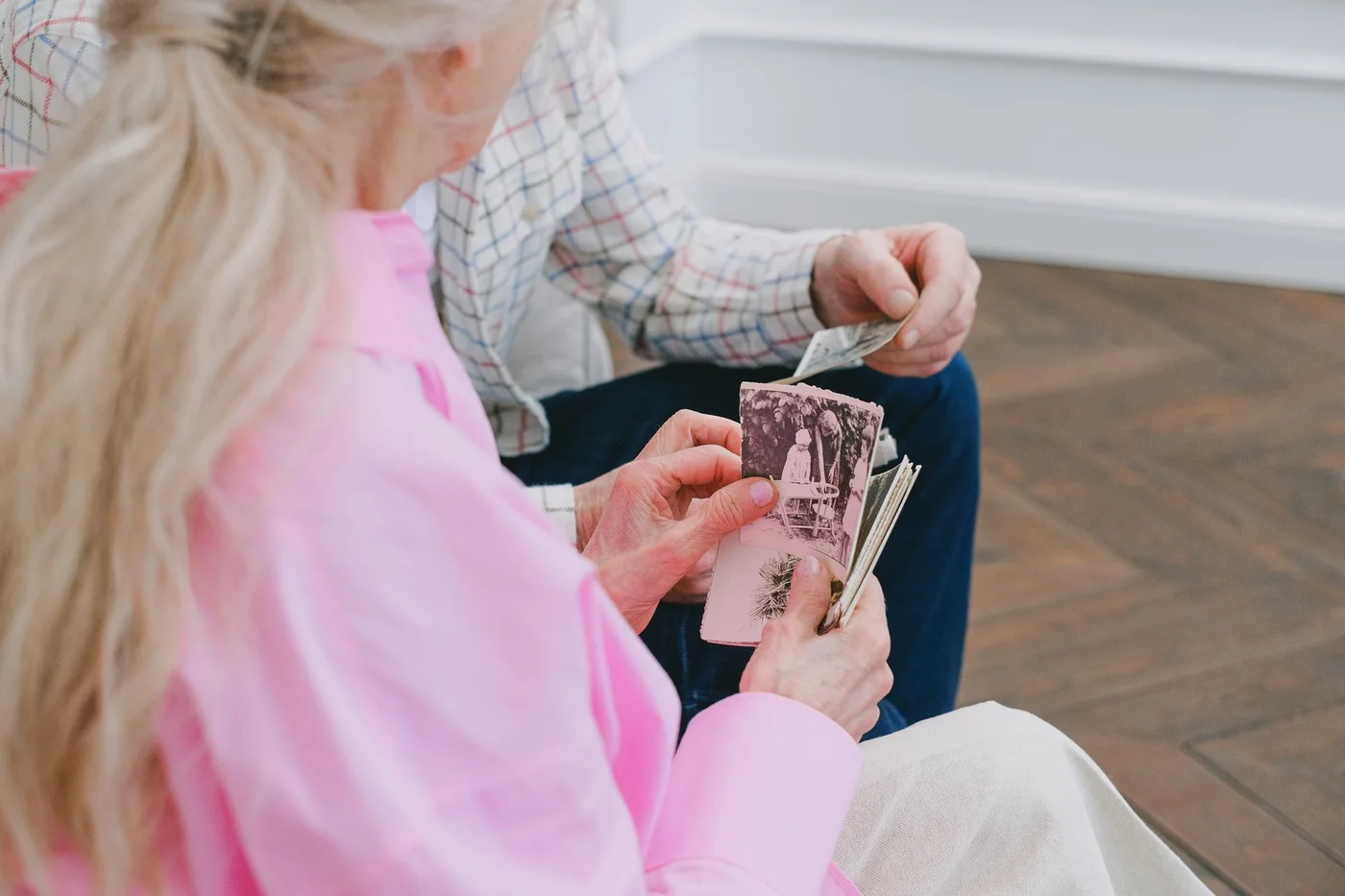
A place on the back of a photograph. An address on an envelope. A story about someone who once travelled far from home. You do not need a complete family tree to begin.
A place for memories.
A source behind each discovery.
Share a name, a place and what you remember. Use AI to search publicly available sources.
Enter the research space02 / KEEPReturn to saved investigations, add clues, continue your research and export a copy.
Open your private archive03 / LEARNFrom a conversation with family to checking a record, begin at your own pace.
Read the beginner’s guideKeep track of who told the story, including words such as ‘perhaps’ and ‘I heard’.
Separate what a source says from what someone recalls or infers, and keep a path back to the evidence.
Private investigations are never published automatically. Save, export or delete your own records.
Explore historical newspapers, libraries and archive catalogues for your next lead.
Explore research resourcesYes. An approximate date, place, relative or occupation helps. Mark uncertain details as uncertain. With limited information, research may produce leads rather than answers.
No. A matching name, date or place cannot establish identity on its own. Check original records and independent sources before treating a candidate as a relative.
Investigations are saved to your signed-in account and are not published automatically. You can export or delete them. AI research requires separate confirmation before processing your clues.
Questions to get the conversation going, with practical advice on recording, taking notes and deciding what to share.
Read the guideLook beyond the faces. Handwriting, studio stamps and a photo’s place in an album can help you work out who it shows.
Read the guideWhere to search, what to try when a name is missing and how to check whether a passenger is the person you are looking for.
Read the guideUse places and family details to find the right book, then check the links between generations before adding names to your tree.
Read the guide